Sign In
Upcoming Event
 Free Newsletter

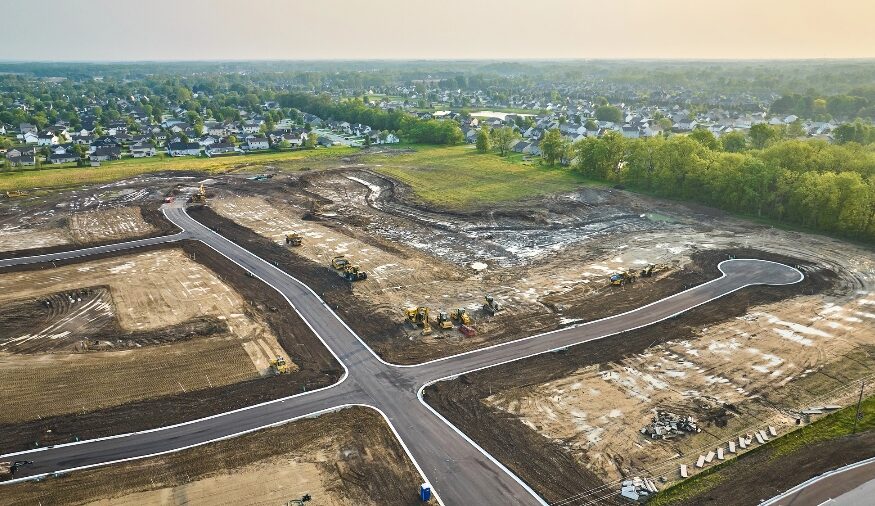
A first-of-its-kind study has revealed the economic impact of infrastructure investments in South Carolina, which are excepted to generate $56.2 billion in economic output and support more than 45,000 jobs annually across the state over six years. (Photo/DepositPhotos)
A first-of-its-kind study has revealed the economic impact of infrastructure investments in South Carolina, which are excepted to generate $56.2 billion in economic output and support more than 45,000 jobs annually across the state over six years. (Photo/DepositPhotos)
South Carolina infrastructure investments to drive $56B impact
Jason Thomas // July 14, 2025//



- $56.2B in economic output projected from 2021–2027
- Over 45,000 jobs supported annually across South Carolina
- Study includes roads, broadband, water, and rural utilities
- Infrastructure investments to create 157,000 new jobs by 2035
A first-of-its-kind study has revealed the economic impact of infrastructure investments in South Carolina, which are excepted to generate $56.2 billion in economic output and support more than 45,000 jobs annually across the state over six years.
More than 150 guests gathered at The Palmetto Club recently for the official unveiling of The Economic Impact of Infrastructure Investments in South Carolina, a first-of-its-kind study commissioned by the American Council of Engineering Companies of South Carolina’s Infrastructure Works Institute, according to a news release.
The event featured remarks from leaders from the state’s Department of Transportation, Rural Infrastructure Authority, Department of Environmental Services and the Office of Regulatory Services and a deep dive into data from University of South Carolina Darla Moore School of Business research economist Dr. Joseph Von Nessen, whose team conducted the study, according to the release.
The newly launched report quantifies how infrastructure investments shape South Carolina’s economic future, detailing the return on investments across transportation, water systems, broadband, and rural utilities, the release stated.
“This study confirms what many of us have long understood intuitively: infrastructure is the backbone of economic opportunity,” said Von Nessen in the release. “From 2021 to 2027, infrastructure investments are projected to generate $56.2 billion in economic output and support more than 45,000 jobs annually across the state.
The study analyzes more than $33 billion in planned infrastructure investments through 2027, including roads and bridges, sewer and stormwater drainage, drinking water system upgrades and expanded broadband access, according to the release.
“These results drive home what we already knew — infrastructure is the heartbeat of our economy and critical to our quality of life here in South Carolina,” said Justin Powell, Secretary of Transportation, in the release. “At SCDOT, we are working hard to improve and expand our road and bridge network and we are proud to be delivering results. Every mile we improve helps families reach jobs, hospitals and schools. And every dollar invested fuels growth in logistics, manufacturing, tourism and more.”
Each data partner at the event emphasized infrastructure’s broader impact on quality of life, particularly in rural areas, the release stated. RIA Executive Director Bonnie Ammons highlighted how water, sewer and stormwater improvements promote community resilience and economic development.
“Investing in rural infrastructure delivers high returns,” Ammons said in the release. “It improves essential services — ensuring every community, regardless of zip code, has the foundation to grow and thrive.”
SCDES Director Myra Reece echoed the theme of resilience, noting that water infrastructure investments are vital to both public health and economic competitiveness.
“Clean, reliable water supports agriculture, industry and everyday life,” Reece said in the release. “This is about long-term prosperity and ensuring that no community is left behind.”
Expanding digital access is also a critical piece of the puzzle. Cedric Keitt, senior director of broadband infrastructure at ORS, outlined the scope of broadband expansion efforts reaching
more than 100,000 underserved locations through private, state and federal investment.
“Broadband isn’t a luxury, it’s a necessity,” said Keitt in the release. “From telehealth to education, internet access is essential to leveling the playing field. These investments are closing the digital divide.”
Looking beyond short-term impacts, the study projects that infrastructure investments will yield 157,000 permanent new jobs and $16.3 billion in new personal income by 2035, according to the release.
“These numbers go beyond basic economics — they represent generational progress,” said Von Nessen. “With strategic planning and continued investment, South Carolina is poised to become a national model for infrastructure-driven growth.”
“At ACEC-SC, we believe that infrastructure is the backbone of our communities, and that’s what led us to launch the Infrastructure Works Institute. IWI commissioned this study because it’s time to bring real data to the conversation around infrastructure investments,” said Ricky Ward, PE, ACEC-SC IWI president. “As engineers, we rely on evidence to build things that last, and this report does exactly that, by giving decision-makers across South Carolina a clear, data-driven foundation to plan for long-term resilience and prosperity.”
Click here to read the full study.
T