Sign In
Upcoming Event
 Free Newsletter

Gov. McMaster calls for statewide input on Opportunity Zone nominations
Hollie Moore // April 15, 2026//
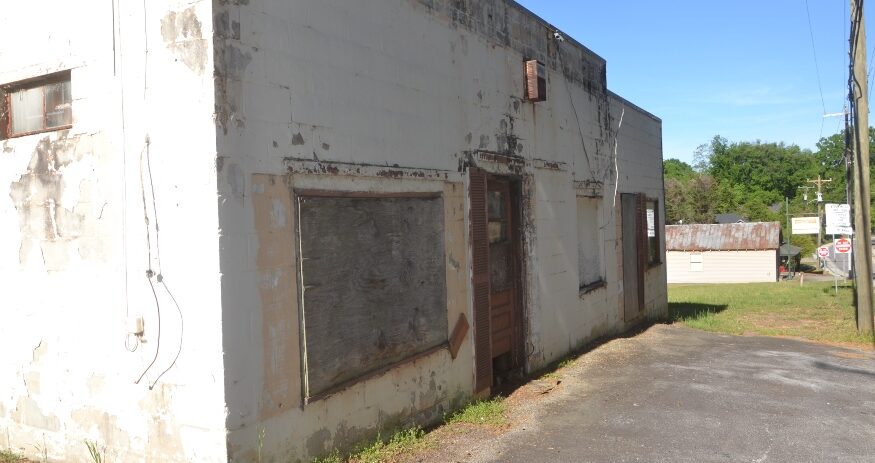
South Carolina is seeking public input on Opportunity Zone designations to drive investment and job growth in underserved communities. (Photo/Ross Norton)
South Carolina is seeking public input on Opportunity Zone designations to drive investment and job growth in underserved communities. (Photo/Ross Norton)
Gov. McMaster calls for statewide input on Opportunity Zone nominations
Hollie Moore // April 15, 2026//



- South Carolina opens public input for Opportunity Zone designations
- Program offers tax incentives to drive private investment
- Gov. Henry McMaster can nominate up to 25% of eligible tracts
- New designations aim to boost jobs in underserved communities
The South Carolina Department of Commerce has opened the floor to stakeholders, community leaders and the public to submit input on eligible census tracts in the state to be designated under the federal Opportunity Zone program.
The program is designed to provide federal tax incentives to taxpayers who reinvest realized capital gains into Qualified Opportunity Funds, according to a news release. This is intended to encourage economic development and job creation in low-income urban and rural regions.
Originally, the Opportunity Zone program was a part of the Tax Cuts and Jobs Act of 2017, but is now updated by the One, Big, Beautiful Bill Act from 2025. According to a news release, the updates allow Gov. Henry McMaster to nominate up to 25% of South Carolina’s eligible census tracts.
U.S. Senator Tim Scott (R-S.C.), who authored the original bill that led to the Opportunity Zone program, recently highlighted the continued success and expansion of the program.
Scott said he created the Opportunity Zone program to drive long-term private investment into low-income and distressed communities by offering targeted tax incentives. Since its enactment, the program has spurred billions of dollars in investment nationwide, he said, supporting job creation, small businesses and economic revitalization in communities that have historically been left behind.
“I was proud to author Opportunity Zones as part of the Tax Cuts and Jobs Act — an innovative tool that empowers states to identify economically distressed communities and connect them with a powerful incentive to drive private investment where it’s needed most,” he said in a news release. “Millions of Americans still live in communities facing persistent poverty, lower incomes, and limited access to opportunity, and this program is designed to help change that by attracting long-term capital and creating jobs. With the program now made permanent and strengthened under the Working Families Tax Cuts, South Carolina’s designation process marks an important step in ensuring these investments continue reaching the communities that need them most and delivering lasting economic growth across our state.”
Opportunity Zones empower governors to designate economically-distressed communities that are ripe for investment and tie them to a new federal tax incentive, directing private investment into some of the nation’s most underserved areas. More than 50 million Americans currently live in economically distressed communities, and Opportunity Zones have put the decision-making in the hands of state and local leaders who know their communities best.
As part of changes to the program, Opportunity Zones will be redesignated every 10 years to ensure investments are directed toward communities with the most need.
Beginning July 1, governors will submit new Opportunity Zone nominations to the U.S. Department of the Treasury.
More details about the program are online.
i